In today’s rapidly evolving world, computational literacy is no longer confined to computer science classrooms. It’s time we explore how these skills can enhance learning across all subjects, including language arts.
I’m excited to share insights from the 17th chapter of our recent book Creating Design Knowledge In Educational Innovation, where I explore how computational literacy can transform learning across all subjects—not just computer science.
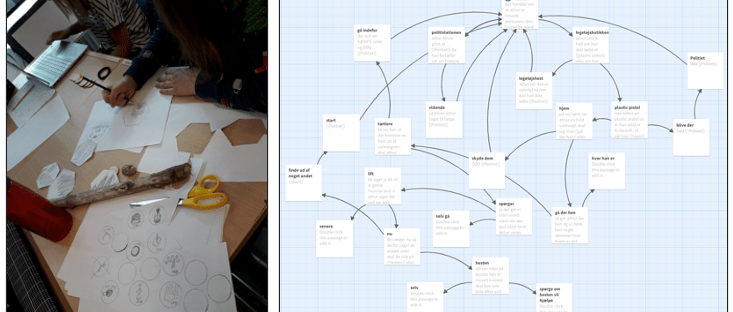
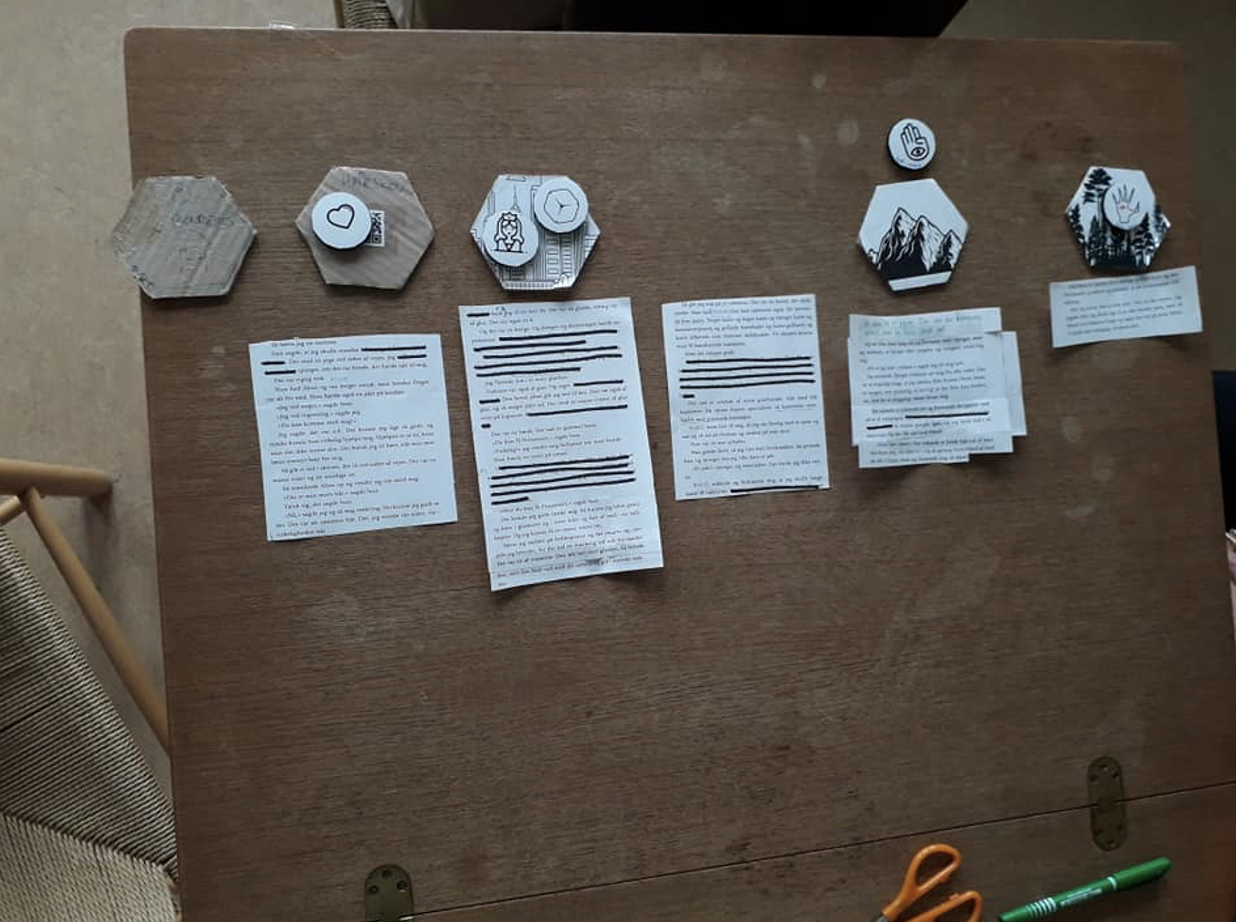
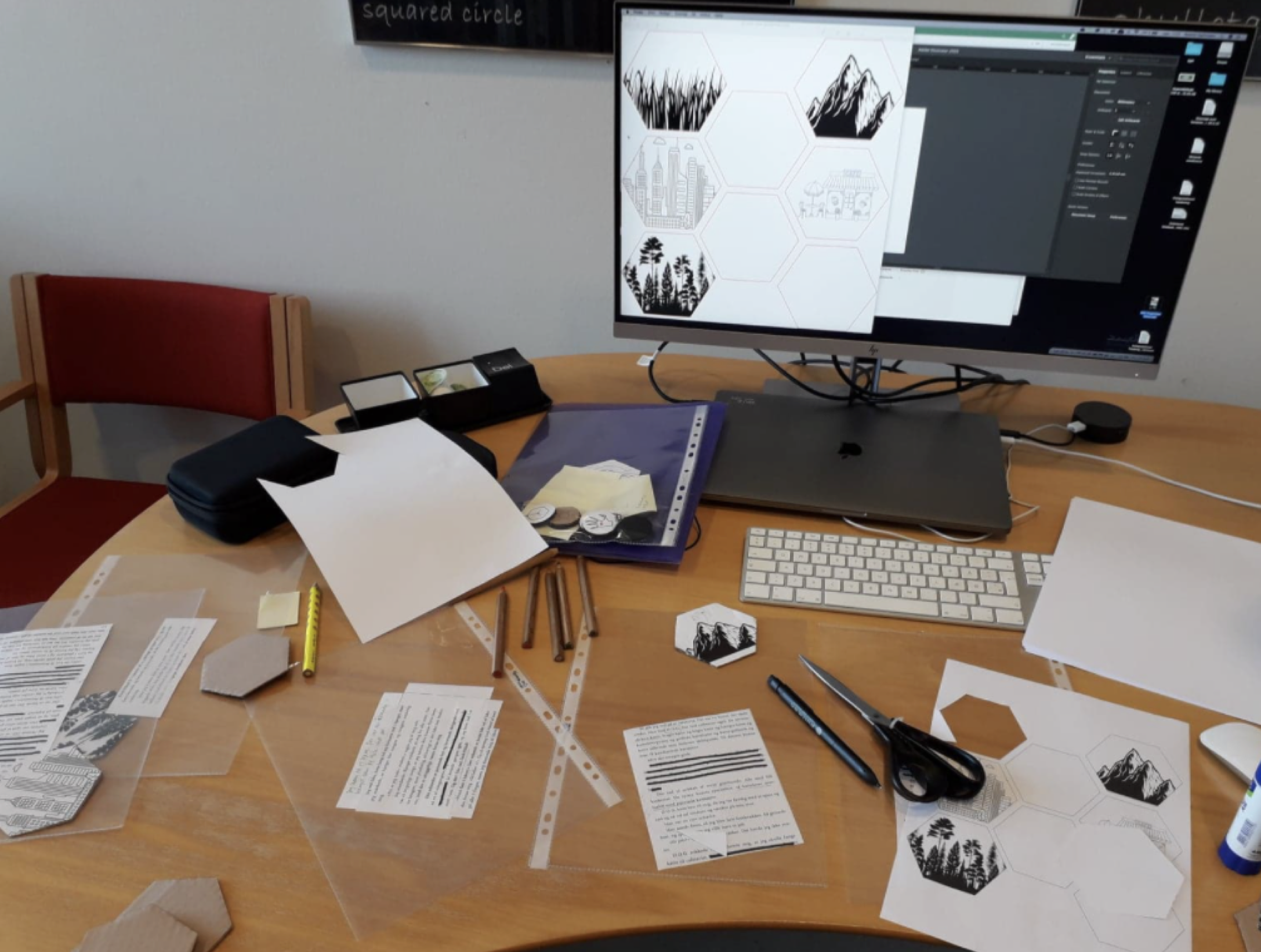
In my chapter, Designing for Computational Literacy in Non-CS Subjects, I explore how computational literacy can be integrated into non-CS subjects like language arts. I share som insights from a case: The Horrible Hand, where pupils combine storytelling with computational tools like Twine to craft interactive, multimedia stories. This approach deepened their understanding of narrative structures and enhanced their creativity and collaboration skills.
By integrating computational methods into different subject areas, we unlock new learning possibilities for students. This leads us to important questions:
💡 How can we make computational literacy accessible and meaningful across diverse subjects?
💡 What new literacies can emerge when we blend computational tools with traditional teaching methods?
💡 How can this empower students to engage in deeper, more meaningful learning?
The future of education is cross-disciplinary and integrative—and my chapter highlights these opportunities.

 Roland Hachmann